
Therapy for Trichotillomania
Specialist psychotherapy for children and young people with Trichotillomania. Available online in the UK, without the wait.

Understanding Trichotillomania
Trichotillomania, sometimes called hair-pulling disorder, is a condition in which a person feels repeated urges to pull out their own hair and finds it very hard to stop, even when they want to. Hair is most often pulled from the scalp, eyebrows or eyelashes. It usually begins in late childhood or early adolescence.
Young people with trichotillomania are often told to “just stop”, but it is a recognised clinical condition, not a bad habit or a deliberate choice. Pulling often helps to soothe, relieve tension or ease boredom, which is why it can be so difficult to resist. Some young people pull without noticing, while reading or watching TV, while others pull in response to a strong urge. Either way, the pulling can have a real impact on how they feel about themselves and their daily life.
How Trichotillomania Affects Young People
Many young people with trichotillomania feel deep shame about their pulling and go to great lengths to hide it with hats, hairstyles or make-up. They may avoid swimming, sleepovers, PE or trips to the hairdresser, and worry constantly that others will notice. Over time this can take a real toll on their confidence and self-esteem.
For parents, it is natural to want to stop the pulling by reminding or watching closely, but this can sometimes increase shame and secrecy. Trichotillomania is not the result of poor parenting, and with the right support, young people can learn to understand their pulling and gain real control over it.



Hi, I'm Christina
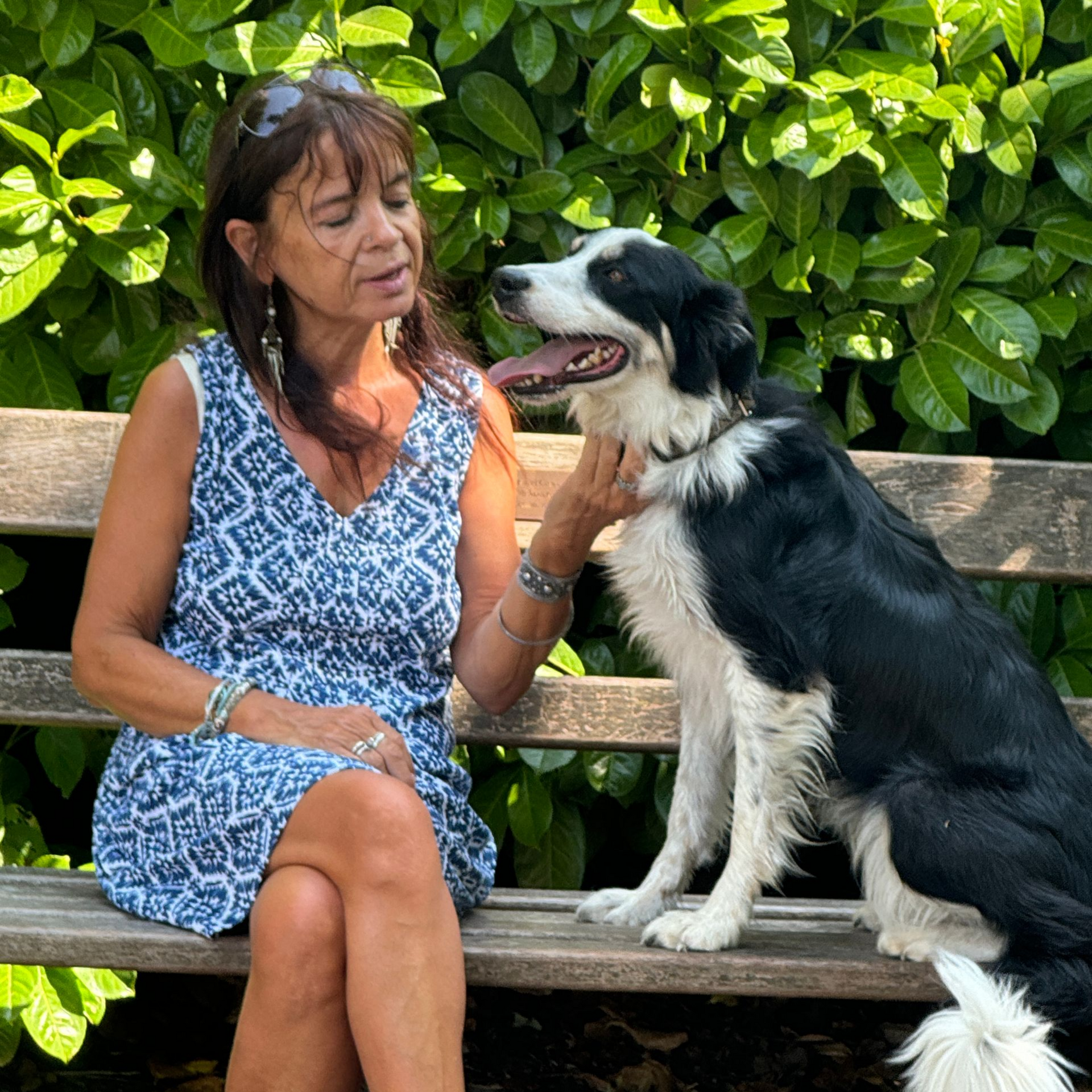
I am a BABCP-accredited CBT therapist working with children and young people. Hair pulling is often misunderstood, and I aim to provide a calm, non-judgemental space where young people can explore what is behind their pulling and build the skills to manage it.
Hi, I'm Christina
I am trained in CBT for ARFID, a specialist approach specifically developed for this condition. ARFID is frequently misunderstood, even within clinical settings, and working with a therapist who has specific training and experience in this area makes a real difference to outcomes.
How We Treat Trichotillomania
At Sulis Therapies, we treat trichotillomania using Cognitive Behavioural Therapy (CBT). Following a comprehensive assessment, and in conjunction with discussion with the young person and their parent or carer, we will put together a treatment plan tailored to their individual needs and the specific nature of their pulling.
CBT helps young people understand when, where and why they pull. Together we look at the situations, thoughts and feelings that lead to pulling, and what keeps the behaviour going, so that treatment can be tailored to the individual.
Working at a pace that feels manageable, young people learn to notice urges early and respond in different ways, such as finding other ways to manage stress or boredom. Over time, this builds confidence and a growing sense of control.
Quick Answers
How do I know if my child needs therapy for trichotillomania?
If your child’s hair pulling is causing them distress, leading to noticeable hair loss, or affecting their confidence, social life or daily functioning, therapy is likely to help. You do not need to wait until things reach a crisis point. Trichotillomania tends to respond best when it is addressed early, so it is worth seeking specialist support sooner rather than later.
What ages do you treat?
We work with children and young people up to the age of 26.
How many sessions will my child need?
This depends entirely on your child and the nature of their difficulties. The initial sessions focus on understanding what your child is experiencing and putting together a clear plan for therapy. At that stage we will be able to give you a much clearer idea of how many sessions we feel would be beneficial.
How often will my child need to attend sessions?
We recommend sessions at least once a week for the best results, though we can discuss a more intensive programme if that suits your child's needs. We offer flexible appointments including evenings and weekends to fit around your family's schedule.
How much do sessions cost?
CBT sessions last 60 minutes and cost £85. EMDR sessions last 90 minutes and cost £100. A free initial consultation is available so we can discuss your child's needs before committing to a programme of therapy.
If your child is struggling with trichotillomania, we’re here to help. Get in touch today to arrange a free initial consultation and find out how we can support your family.