
Therapy for School Refusal
Specialist psychotherapy for children and young people experiencing school refusal. Available online in the UK, without the wait.

What is School Refusal?
School refusal, also referred to as school avoidance, describes a pattern in which a child or young person experiences significant difficulty attending school, often accompanied by emotional distress before or during attempts to attend. Unlike truancy, which typically involves a young person choosing to avoid school without parental knowledge, school refusal is characterised by genuine and often overwhelming anxiety or distress. Parents are usually aware of the situation and frequently find themselves unable to get their child through the school gates despite their best efforts.
School refusal is not a diagnosis in itself, but rather a behaviour that is almost always driven by an underlying emotional or psychological difficulty. It can develop gradually, beginning with occasional absences or frequent complaints of physical symptoms on school mornings, or it can emerge suddenly following a specific event or period of difficulty. Left unaddressed, school refusal tends to escalate, with absences becoming more frequent and the prospect of returning feeling increasingly impossible for the young person.
What Causes School Avoidance
School refusal is almost always a symptom of an underlying emotional or psychological difficulty rather than a deliberate choice. Understanding what is driving it is the first step toward addressing it effectively.
Anxiety is the most common underlying cause. This may be generalised anxiety, in which worry about school is part of a broader pattern of excessive worry, or it may be more specific. Social anxiety can make the social demands of school feel unbearable, while separation anxiety can make leaving home and the safety of a parent feel impossible. In younger children in particular, separation anxiety is a frequent driver of school refusal.
Depression can also lead to school refusal, as low mood, fatigue and a loss of interest in everyday activities make the prospect of attending school feel overwhelming. In some cases, a specific incident such as bullying, a difficult experience with a teacher or a social fallout can trigger school refusal, even in young people who have previously attended without difficulty.
In all cases, the longer school refusal continues the more entrenched it becomes. Absence from school can itself become a source of anxiety, as the young person falls behind academically and becomes increasingly disconnected from their peers, making the prospect of returning feel even more daunting.
Getting Help
If your child is refusing or struggling to attend school, early intervention is important. The longer the absence continues, the harder returning becomes. With the right therapeutic support, most young people are able to return to school and address the underlying difficulties that were driving the avoidance.


Hi, I'm Christina
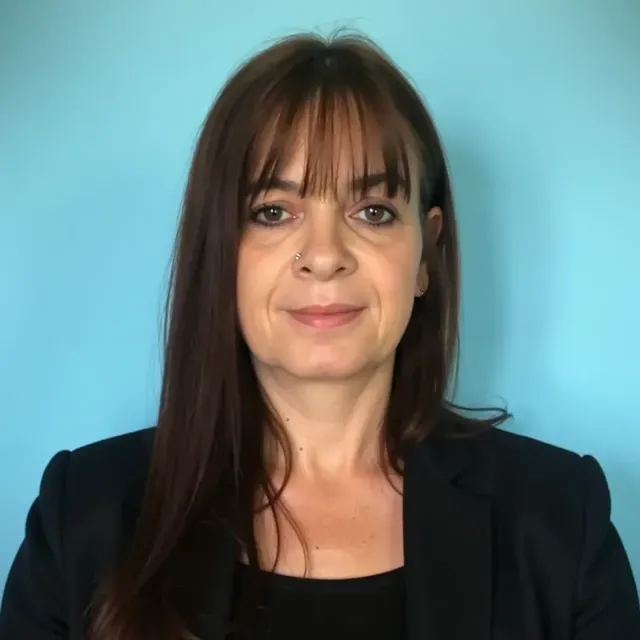
School refusal can feel like a crisis, and during my years as a CAMHS therapist I worked with many young people who had stopped attending school. I understand how urgent and stressful the situation can feel, and how important it is to get the right support in place quickly.
Hi, I'm Christina
School refusal can feel like a crisis, and during my years as a CAMHS therapist I worked with many young people who had stopped attending school. I understand how urgent and stressful the situation can feel, and how important it is to get the right support in place quickly.
How We Treat School Refusal
At Sulis Therapies, we treat school refusal by addressing the underlying difficulties driving it. Depending on the assessment, this may involve Cognitive Behavioural Therapy (CBT), Eye Movement Desensitisation and Reprocessing (EMDR), or a combination of both.
Following a comprehensive assessment, and in conjunction with discussion with the young person and/or parent/carer(s), we will recommend the approach that is best suited to your child's individual needs, in some cases this may be a combination of both.
CBT for school refusal focuses on identifying and addressing the underlying thoughts, feelings and behaviours that are making school attendance feel impossible. Working collaboratively with the young person, CBT helps them understand what is driving their avoidance, develop practical strategies to manage their anxiety or distress, and build the confidence to gradually return to school at a pace that feels manageable.
Where school refusal has been triggered by a specific distressing experience, such as bullying, a traumatic event or a difficult period at school, EMDR can be an effective approach. By reprocessing the memories and experiences driving the avoidance, EMDR can reduce their emotional impact and make the prospect of returning to school feel significantly less overwhelming.
Quick Answers
How do I know if my child needs therapy for school refusal?
If your child is regularly missing school due to emotional distress, and if encouragement, reasoning or changes at school have not resolved the situation, therapy is likely to help. The longer school refusal continues, the more entrenched it can become. If your child is struggling to attend school, it is worth seeking support as early as possible.
What ages do you treat?
We work with children and young people up to the age of 26.
How many sessions will my child need?
This depends entirely on your child and the nature of their difficulties. The initial sessions focus on understanding what your child is experiencing and putting together a clear plan for therapy. At that stage we will be able to give you a much clearer idea of how many sessions we feel would be beneficial.
How often will my child need to attend sessions?
We recommend sessions at least once a week for the best results, though we can discuss a more intensive programme if that suits your child's needs. We offer flexible appointments including evenings and weekends to fit around your family's schedule.
How much do sessions cost?
CBT sessions last 60 minutes and cost £85. EMDR sessions last 90 minutes and cost £100. A free initial consultation is available so we can discuss your child's needs before committing to a programme of therapy.
If your child is struggling with school refusal, we're here to help. Get in touch today to arrange a free initial consultation and find out how we can support your family.