
EMDR Therapy
A powerful, evidence-based therapy that helps children and young people process and move on from distressing memories and experiences.
What is EMDR?
Eye Movement Desensitisation and Reprocessing, or EMDR, is an evidence-based therapy developed in the late 1980s and now recommended by the National Institute for Health and Care Excellence (NICE) as a first-line treatment for PTSD and trauma. It is also used effectively for a range of other conditions where distressing memories or experiences are contributing to current difficulties.
EMDR is based on the understanding that when a person experiences something traumatic or deeply distressing, the memory of that experience can become stored in the brain in a way that continues to cause distress long after the event itself has passed. Rather than requiring the person to talk about their experiences in detail, EMDR uses a process called bilateral stimulation, typically guided eye movements, to help the brain reprocess these memories so that they lose their emotional intensity and can be stored as ordinary memories.
The process can sound unusual to those encountering it for the first time, but EMDR is one of the most thoroughly researched therapies available. It has a strong evidence base across a wide range of conditions and is widely used by therapists, psychologists and psychiatrists around the world.
What EMDR Can Help With
EMDR can be effective for a wide range of conditions where distressing memories or experiences are contributing to current difficulties. Following an assessment, we will advise whether EMDR is the recommended approach for your child. Conditions we treat using EMDR include:



Hi! I'm Christina

I am trained in both standard EMDR and Child and Adolescent EMDR, having completed specialist training through the Child Trauma Therapy Centre. I am a member of the EMDR UK Association and have worked with many young people using EMDR throughout my career, including during my years as a CAMHS therapist.
Hi, I'm Christina
I am trained in both standard EMDR and Child and Adolescent EMDR, having completed specialist training through the Child Trauma Therapy Centre. I am a member of the EMDR UK Association and have worked with many young people using EMDR throughout my career, including during my years as a CAMHS therapist.

Is EMDR Safe for Children?
EMDR is a safe and well-established therapy that has been used with children and young people for decades. It is recommended by NICE, the World Health Organisation and numerous other leading health bodies around the world. When delivered by a trained and accredited therapist, EMDR is considered a safe and effective treatment for children and young people of all ages.
Some parents worry that EMDR might be distressing for their child, particularly given that it involves processing difficult memories and experiences. It is true that some emotional discomfort can arise during processing, as it does in any therapy that addresses difficult material. However, EMDR is carefully paced and the therapist remains in control of the process throughout, ensuring that the young person is never overwhelmed. Many young people find EMDR a gentler and more manageable experience than they expected.
It is also worth noting that EMDR does not require a young person to describe their experiences in detail or repeatedly revisit them. The processing happens through the bilateral stimulation rather than through talking, which many young people find significantly less daunting than traditional talking therapies.
What to Expect from EMDR
EMDR follows a structured eight-phase protocol, though the experience will feel different for each young person depending on their difficulties and history. Here is what the process typically involves.
The Assessment
The first sessions focus on understanding the young person's history and difficulties in detail, identifying the specific memories or experiences to be targeted in therapy, and ensuring they have the coping skills needed to manage any distress that arises during processing.
Preparation
Before processing begins, time is spent helping the young person feel safe and prepared. This includes developing resources and techniques they can use to manage difficult emotions, both within sessions and in everyday life.
Processing
The core of EMDR involves the young person bringing a targeted memory to mind while following a series of bilateral stimulation, typically guided eye movements. This continues in sets until the memory loses its emotional intensity. The process is led by the therapist and the young person remains in control throughout.
Integration
As processing progresses, the distressing memories become less intrusive and the young person begins to develop a more positive and balanced perspective on their experiences. The final phases of EMDR focus on consolidating this progress and ensuring the young person feels equipped to move forward.
Online Therapy That Really Works
One of the most common questions parents have about EMDR is how it can be delivered effectively online. It is a reasonable question. The bilateral stimulation that is central to EMDR is traditionally delivered through guided eye movements, following the therapist's hand or a moving object. Online delivery requires a different approach, but it is equally effective.
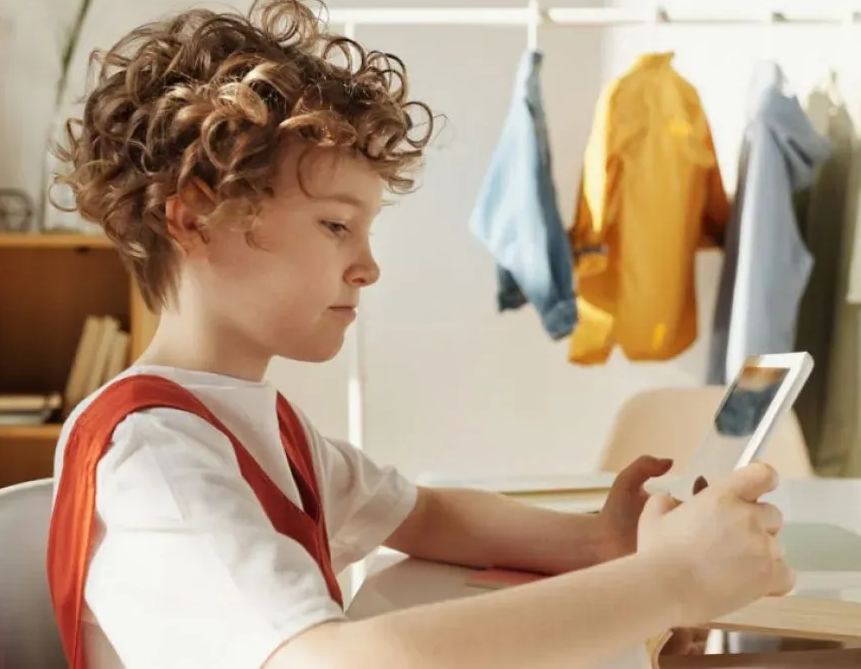
In online EMDR sessions, bilateral stimulation is delivered in a number of ways. Eye movements can be guided through the screen, with the young person following a moving stimulus on their device. Alternatively, tactile bilateral stimulation can be used, in which the young person taps alternately on their knees or shoulders. Both approaches have been shown to be as effective as in-person delivery, and many young people adapt to online EMDR very quickly.
Research into online EMDR has grown significantly in recent years, and the evidence consistently supports its effectiveness. For many young people, the familiarity and comfort of their own environment can actually enhance the process, making it easier to engage with difficult material in a space where they feel safe.
Online Therapy That Really Works
One of the most common questions parents have about EMDR is how it can be delivered effectively online. It is a reasonable question. The bilateral stimulation that is central to EMDR is traditionally delivered through guided eye movements, following the therapist's hand or a moving object. Online delivery requires a different approach, but it is equally effective.
In online EMDR sessions, bilateral stimulation is delivered in a number of ways. Eye movements can be guided through the screen, with the young person following a moving stimulus on their device. Alternatively, tactile bilateral stimulation can be used, in which the young person taps alternately on their knees or shoulders. Both approaches have been shown to be as effective as in-person delivery, and many young people adapt to online EMDR very quickly.
Research into online EMDR has grown significantly in recent years, and the evidence consistently supports its effectiveness. For many young people, the familiarity and comfort of their own environment can actually enhance the process, making it easier to engage with difficult material in a space where they feel safe.
Quick Answers
Does my child need a trauma diagnosis to have EMDR?
No. While EMDR is the NICE recommended treatment for PTSD, it is used effectively for a range of difficulties where distressing memories or experiences are contributing to current symptoms. A formal trauma diagnosis is not required. Following an assessment, we will advise whether EMDR is the right approach for your child.
What's the difference between EMDR and CBT?
EMDR and CBT are both evidence-based therapies but they work in different ways. CBT focuses on identifying and changing unhelpful patterns of thinking and behaviour, while EMDR works by helping the brain reprocess distressing memories so they lose their emotional intensity. CBT tends to be recommended for conditions such as anxiety, OCD and depression, while EMDR is particularly effective where difficulties are rooted in past trauma or distressing experiences. Following an assessment, we will recommend whichever approach is best suited to your child's individual needs.
Will my child need to talk about what happened?
Not in detail. Unlike some forms of therapy, EMDR does not require a young person to describe their experiences at length or repeatedly revisit them. The processing happens through bilateral stimulation rather than through talking, which many young people find significantly less daunting. Your child will need to briefly bring the memory to mind during processing, but they do not need to verbalise it.
How many EMDR sessions will my child need?
This depends on the individual and the nature of the difficulties being addressed. EMDR can sometimes produce significant results in a relatively small number of sessions, particularly where the difficulties are linked to a specific event. More complex or longstanding difficulties may require more time. Following the initial assessment, we will be able to give a clearer indication of how many sessions are likely to be needed.
Can my child access EMDR if they're already taking medication?
Yes. EMDR and medication are not mutually exclusive, and many young people benefit from both simultaneously. If your child is currently taking medication, please let us know at the assessment stage so we have a full picture of their current support.
Do you work with children with autism or ADHD?
Yes. EMDR can be adapted effectively for young people with autism or ADHD. Sessions are tailored to the individual needs of the young person, taking into account any additional needs or differences in communication and processing style. If you have any questions about whether therapy is appropriate for your child, please do get in touch and we will be happy to discuss this.
What ages do you treat?
We work with children and young people up to the age of 26.
How much do sessions cost?
EMDR sessions last 90 minutes and cost £100. A free initial consultation is available so we can discuss your child's needs before committing to a programme of therapy.
If you would like to find out more about whether CBT is right for your child, we offer a free initial consultation. Get in touch today and we will be happy to answer any questions you have.