
Therapy for Trauma
Specialist psychotherapy for children and young people dealing with trauma or PTSD. Available online in the UK, without the wait.

What is Trauma?
Trauma occurs when an event or series of events overwhelms a person's ability to cope, leaving a lasting impact on how they think, feel and experience the world. For children and young people, traumatic experiences can take many forms, including accidents, bereavement, abuse, neglect, witnessing violence, or prolonged exposure to stress and instability at home.
Not every child who experiences a difficult event will develop lasting trauma, and responses vary greatly from person to person. However, when the effects of a traumatic experience persist and begin to significantly impact a young person's daily functioning, professional support is likely to be needed.
Post-Traumatic Stress Disorder, or PTSD, is a specific clinical condition that can develop following a traumatic event. It is characterised by intrusive memories, flashbacks, nightmares, avoidance of reminders of the trauma, and a persistent state of heightened alertness. PTSD is one possible outcome of trauma, though not all young people who have experienced trauma will meet the criteria for a PTSD diagnosis. Both trauma and PTSD respond well to treatment.
How Trauma Presents in Children and Young People
Trauma does not always look the way people expect. In children and young people particularly, the effects of traumatic experiences often present in ways that can be mistaken for other conditions or simply dismissed as behavioural issues.
Some young people show more recognisable signs of trauma, including flashbacks, nightmares, intrusive memories and a heightened startle response. They may actively avoid anything that reminds them of the traumatic experience, including places, people, conversations or activities that might trigger distressing memories.
Others present quite differently. Trauma can manifest as anger, aggression, defiance or emotional dysregulation that seems disproportionate or difficult to explain. It can appear as withdrawal, numbness or a loss of interest in life. Younger children may regress to earlier behaviours, struggle to separate from caregivers, or display their distress through play.
Academic difficulties, problems with concentration and memory, difficulties with sleep and persistent physical complaints are also common. Because these presentations overlap with so many other conditions, trauma is frequently missed or misdiagnosed, and young people can spend years receiving support for the symptoms rather than the underlying cause.
If any of this sounds familiar, it is important to know that trauma is very treatable. With the right therapeutic approach, young people can process their experiences, reduce their symptoms and move forward with their lives.



Hi, I'm Christina
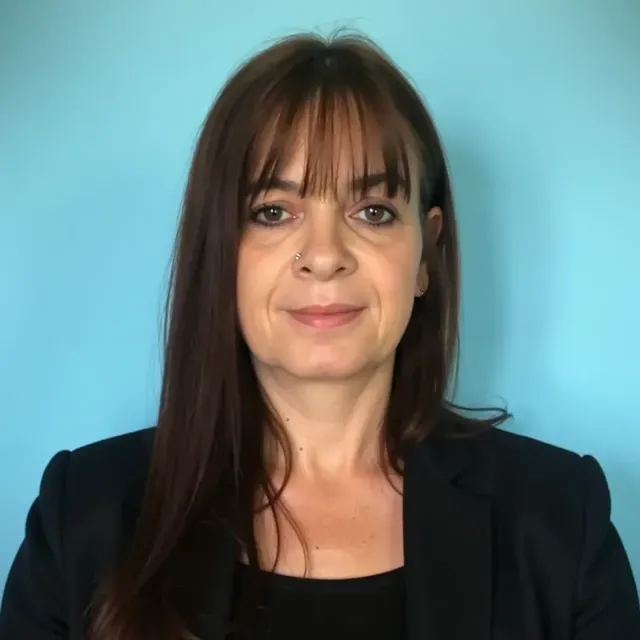
I'm trained in both EMDR and Trauma-Focused CBT, the two NICE recommended treatments for trauma and PTSD. During my years as a CAMHS therapist I worked with many young people who had experienced trauma, and I understand the sensitivity and care that this work requires.
Hi, I'm Christina
I'm trained in both EMDR and Trauma-Focused CBT, the two NICE recommended treatments for trauma and PTSD. During my years as a CAMHS therapist I worked with many young people who had experienced trauma, and I understand the sensitivity and care that this work requires.

How We Treat Trauma
At Sulis Therapies, we treat trauma and PTSD using two evidence-based therapies: Trauma-Focused Cognitive Behavioural Therapy (TF-CBT) and Eye Movement Desensitisation and Reprocessing (EMDR). Both are recommended by NICE as first-line treatments for trauma and PTSD in children and young people.
Following a comprehensive assessment, and in conjunction with discussion with the young person and/or parent/carer(s), we will recommend the approach that is best suited to your child's individual needs, in some cases this may be a combination of both.
Trauma-Focused CBT is specifically adapted to address the impact of traumatic experiences. It helps young people understand the connection between their trauma and their current thoughts, feelings and behaviours, and gradually process what happened in a safe and supported environment. A central element is trauma processing, in which the young person works through their experience at their own pace, reducing the distress associated with traumatic memories and developing a healthier understanding of what happened and its meaning.
EMDR is one of the most well-evidenced treatments available for trauma and PTSD. Rather than requiring a young person to talk about their experiences in detail, EMDR works by using bilateral stimulation to help the brain reprocess traumatic memories, reducing their emotional intensity and allowing them to be stored as ordinary memories rather than ones that continue to intrude on daily life. Many young people find EMDR a particularly accessible approach to trauma processing.
Quick Answers
How do I know if my child needs therapy for trauma?
If your child has experienced a distressing event and is struggling with intrusive memories, nightmares, anxiety, withdrawal or significant changes in behaviour, it is worth seeking support. You do not need to wait for a formal PTSD diagnosis. If what your child experienced is affecting their daily life, therapy can help.
Does my child need to talk about what happened?
Not necessarily. While Trauma-Focused CBT does involve processing the traumatic experience, this is done carefully and at your child's own pace. EMDR requires even less direct discussion of the trauma itself, working instead through a structured process that does not require your child to describe their experience in detail. Both approaches are designed to be as manageable as possible for the young person.
What ages do you treat?
We work with children and young people up to the age of 26.
How many sessions will my child need?
This depends entirely on your child and the nature of their difficulties. The initial sessions focus on understanding what your child is experiencing and putting together a clear plan for therapy. At that stage we will be able to give you a much clearer idea of how many sessions we feel would be beneficial.
How often will my child need to attend sessions?
We recommend sessions at least once a week for the best results, though we can discuss a more intensive programme if that suits your child's needs. We offer flexible appointments including evenings and weekends to fit around your family's schedule.
How much do sessions cost?
CBT sessions last 60 minutes and cost £85. EMDR sessions last 90 minutes and cost £100. A free initial consultation is available so we can discuss your child's needs before committing to a programme of therapy.
If your child is struggling with trauma or PTSD, we're here to help. Get in touch today to arrange a free initial consultation and find out how we can support your family.