
Therapy for Social Anxiety
Specialist psychotherapy for children and young people with social anxiety. Available online in the UK, without the wait.
What is Social Anxiety?
Social anxiety is more than shyness. While many children and young people feel nervous in unfamiliar social situations, social anxiety disorder involves a persistent, intense fear of social situations that is difficult to control and significantly impacts daily life.
Young people with social anxiety typically fear being judged, embarrassed or humiliated in front of others. This fear is not limited to obviously high-pressure situations like public speaking or performing. It can extend to everyday interactions such as answering a question in class, eating in front of others, starting a conversation or simply being noticed in a public space.
Social anxiety is one of the most common anxiety disorders in adolescence, and for good reason. The teenage years bring an increased self-consciousness and a heightened sensitivity to the opinions of peers, making this a particularly vulnerable period. For some young people, what begins as adolescent self-consciousness develops into a level of anxiety that begins to limit their world in significant ways.
How Social Anxiety Presents in Young People
Social anxiety can be easy to miss, particularly in teenagers who have become skilled at avoiding situations rather than visibly struggling in them. By the time a parent recognises that something is wrong, avoidance may already be well established. Common ways social anxiety presents in young people include:
Refusing or finding reasons to avoid social situations, school events or activities that involve performance or group work
Difficulty making or maintaining friendships, not because of a lack of desire for connection but because the anxiety makes interaction feel overwhelming
Physical symptoms such as blushing, sweating, trembling or nausea in social situations, which can themselves become a source of further anxiety
The Impact on Daily Life
For young people with social anxiety, the impact on daily life can be profound. School is often the most challenging environment, with lessons, group work, lunch breaks and unstructured social time all presenting potential triggers. Academic performance can suffer not because of ability but because participating in class, asking for help or sitting exams feels unbearable.
Friendships are particularly affected. Social anxiety can create a painful paradox in which a young person desperately wants connection but finds the process of forming and maintaining friendships overwhelming. Loneliness and isolation are common, and can worsen anxiety and low mood over time.
Outside of school, social anxiety can limit participation in hobbies, sports and activities that would otherwise provide enjoyment and confidence. Milestones that most teenagers take for granted, such as getting a part time job, learning to drive or going to university, can feel impossibly daunting.
Left unaddressed, social anxiety tends to worsen rather than improve. The more situations are avoided, the more the anxiety is reinforced, and the smaller the world becomes. Early support gives young people the best chance of developing the confidence and skills they need to thrive.
Social anxiety is very treatable. With the right support, young people can learn to manage their anxiety and gradually rebuild their confidence in the situations that matter most to them.


Hi, I'm Christina
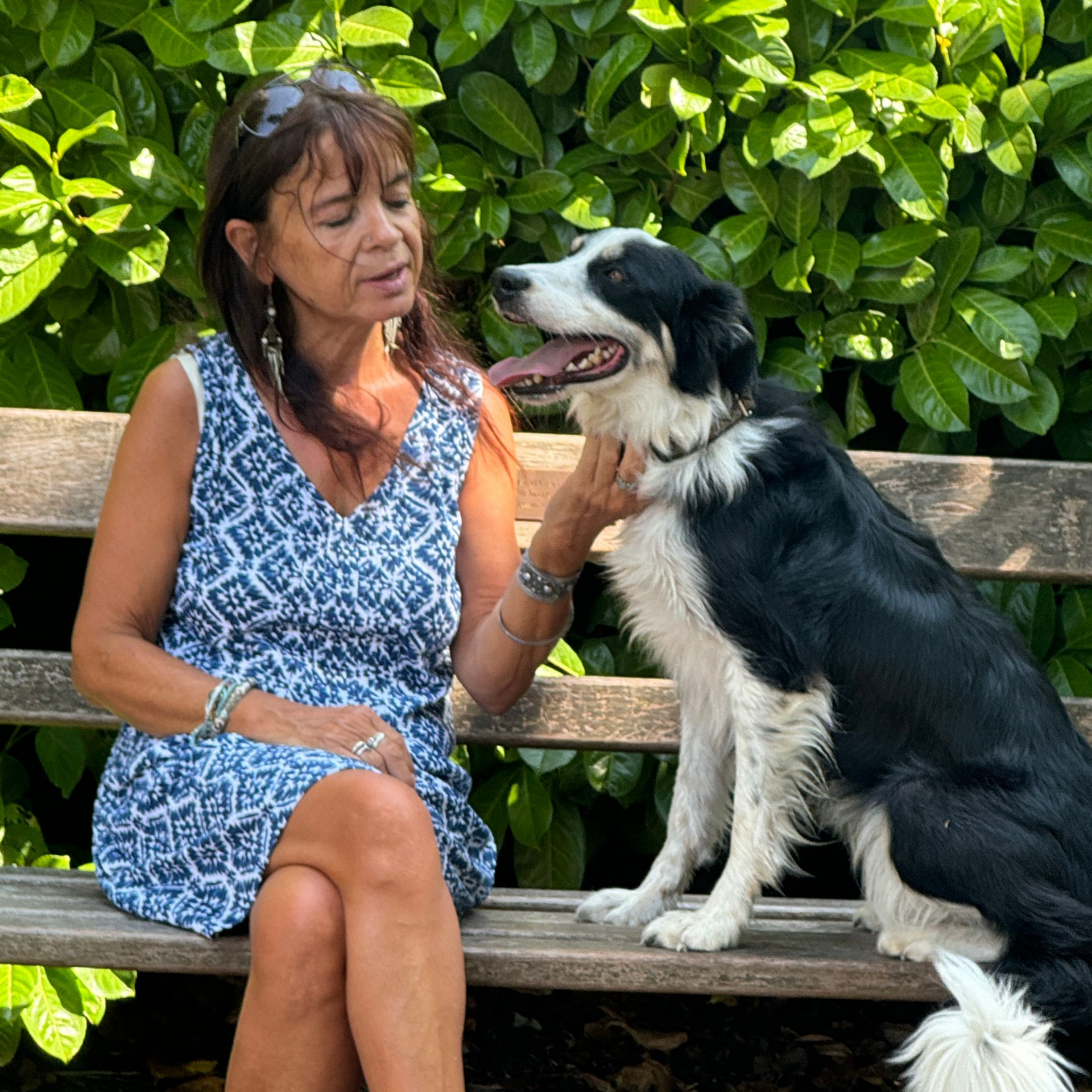
I have over twenty years of experience working with children and young people, and have supported many young people with social anxiety throughout my career, including during my seven years as a CAMHS therapist. I understand the impact it can have on every aspect of a young person's life.
Hi, I'm Christina
I have over twenty years of experience working with children and young people, and have supported many young people with social anxiety throughout my career, including during my seven years as a CAMHS therapist. I understand the impact it can have on every aspect of a young person's life.
How We Treat Social Anxiety
At Sulis Therapies, we treat social anxiety using two evidence-based therapies: Cognitive Behavioural Therapy (CBT) and Eye Movement Desensitisation and Reprocessing (EMDR). CBT is the NICE recommended treatment for social anxiety, though EMDR may be recommended depending on your child's individual needs.
Following a comprehensive assessment, and in conjunction with discussion with the young person and/or parent/carer(s), we will recommend the approach that is best suited to your child's individual needs, in some cases this may be a combination of both.
CBT for social anxiety helps young people identify and challenge the negative thoughts and beliefs that make social situations feel threatening. Through gradual, structured exposure to the situations they fear, young people learn to tolerate the discomfort of social interaction and build genuine confidence over time. They also develop practical skills to manage the physical symptoms of anxiety, reducing the self-consciousness that can make social situations feel impossible.
Where social anxiety is rooted in specific distressing experiences, such as bullying, humiliation or a difficult social experience, EMDR can be highly effective. By reprocessing the memories that are driving the fear of social situations, EMDR reduces their emotional impact and allows young people to engage more freely and confidently with the world around them.
Quick Answers
How do I know if my child needs therapy for social anxiety?
If social anxiety is stopping your child from taking part in everyday activities, affecting their attendance at school, or preventing them from forming the friendships and experiences that matter at their age, therapy is likely to help. Social anxiety rarely resolves on its own, and the earlier support is sought the better the outcomes tend to be.
Does my child need a diagnosis to start therapy?
No. Many families come to us without a formal diagnosis. What matters is that your child is struggling and needs support. We will carry out our own assessment at the start of treatment to ensure we can provide the right help for your child.
What ages do you treat?
We work with children and young people up to the age of 26.
How many sessions will my child need?
This depends entirely on your child and the nature of their difficulties. The initial sessions focus on understanding what your child is experiencing and putting together a clear plan for therapy. At that stage we will be able to give you a much clearer idea of how many sessions we feel would be beneficial.
How often will my child need to attend sessions?
We recommend sessions at least once a week for the best results, though we can discuss a more intensive programme if that suits your child's needs. We offer flexible appointments including evenings and weekends to fit around your family's schedule.
How much do sessions cost?
CBT sessions last 60 minutes and cost £85. EMDR sessions last 90 minutes and cost £100. A free initial consultation is available so we can discuss your child's needs before committing to a programme of therapy.
If your child is struggling with social anxiety, we're here to help. Get in touch today to arrange a free initial consultation and find out how we can support your family.