
Therapy for Fears & Phobias
Specialist psychotherapy for children and young people struggling with fears and phobias. Available online in the UK, without the wait.

What is a Phobia?
Most children experience fears at some point during their development. Fear of the dark, of loud noises, of unfamiliar situations — these are a normal part of growing up and typically resolve on their own over time. A phobia is different. A phobia is an intense, persistent fear of a specific object, situation or experience that is out of proportion to any actual danger and does not resolve without support.
The key distinction between a fear and a phobia is the impact it has on daily life. When fear begins to drive avoidance, limiting what a young person can do, where they can go or how freely they can live, it has become something worth addressing. Phobias do not tend to improve with time alone. In fact, the more a feared situation is avoided, the more entrenched the phobia typically becomes.
The Avoidance Cycle
At the heart of most phobias is avoidance. When a feared object or situation is encountered, the anxiety that follows is intense and immediate. Avoiding it brings rapid relief, and that relief powerfully reinforces the avoidance. Over time, the feared object or situation becomes more threatening in the mind, and the range of things that need to be avoided in order to feel safe gradually expands.
For a young person with emetophobia, for example, this might begin with avoiding certain foods and gradually extend to avoiding restaurants, school canteens, public transport, social situations and eventually leaving the house altogether. For a young person with a needle phobia, avoidance of medical appointments can have serious consequences for their physical health.
This is why phobias rarely improve without support. The avoidance that provides short term relief is the very thing that maintains and strengthens the phobia over time. Breaking the cycle requires gradual, supported exposure to the feared situation in a way that allows the anxiety to reduce naturally, and this is exactly what therapy provides.



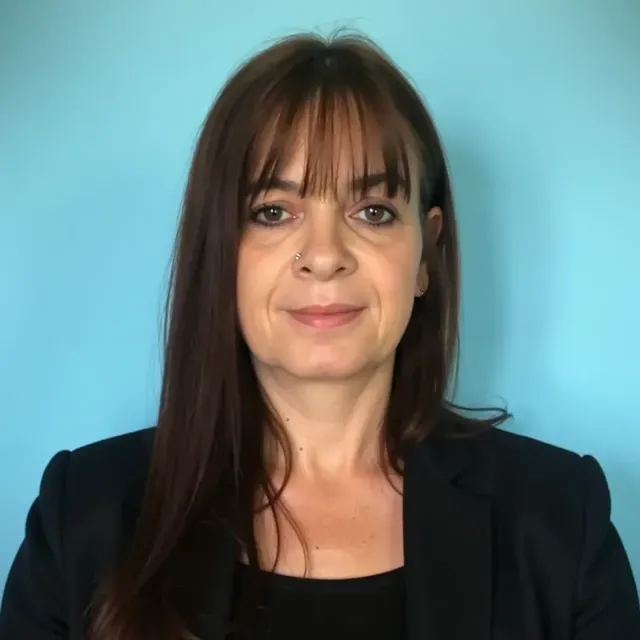
Hi, I'm Christina

I have treated many young people with phobias throughout my career, including during my seven years as a CAMHS therapist. Phobias can be debilitating, but they also respond very well to the right therapy, and I find this one of the most rewarding areas of my work.
Hi, I'm Christina
I have treated many young people with phobias throughout my career, including during my seven years as a CAMHS therapist. Phobias can be debilitating, but they also respond very well to the right therapy, and I find this one of the most rewarding areas of my work.
How We Treat Phobias
At Sulis Therapies, we treat fears and phobias using two evidence-based therapies: Cognitive Behavioural Therapy (CBT) and Eye Movement Desensitisation and Reprocessing (EMDR). CBT is the NICE recommended treatment for phobias, though EMDR may be recommended depending on your child's individual needs.
Following a comprehensive assessment, and in conjunction with discussion with the young person and/or parent/carer(s), we will recommend the approach that is best suited to your child's individual needs, in some cases this may be a combination of both.
CBT for phobias centres on gradual, structured exposure to the feared object or situation. Working at a pace that feels manageable, your child will be supported to face their fear in a controlled way, allowing the anxiety to reduce naturally over time. Alongside this, CBT helps young people identify and challenge the catastrophic thoughts that make the feared situation feel so threatening, building confidence and resilience with each step forward.
Where a phobia has developed following a specific traumatic or distressing experience, EMDR can be highly effective. By helping the brain reprocess the memory or experience that triggered the phobia, EMDR reduces the emotional intensity associated with the feared object or situation, making it possible to engage with it without the same overwhelming response.
Quick Answers
How do I know if my child needs therapy for a phobia?
If your child's fear is affecting their ability to take part in everyday activities, attend school, or causing them significant distress, therapy is likely to help. Phobias rarely resolve without support, and the longer avoidance continues the more entrenched the fear tends to become. If your child's world is shrinking as a result of what they are afraid of, it is worth seeking help sooner rather than later.
Does my child need a diagnosis to start therapy?
No. Many families come to us without a formal diagnosis. What matters is that your child is struggling and needs support. We will carry out our own assessment at the start of treatment to ensure we can provide the right help for your child.
What ages do you treat?
We work with children and young people up to the age of 26.
How many sessions will my child need?
This depends entirely on your child and the nature of their difficulties. The initial sessions focus on understanding what your child is experiencing and putting together a clear plan for therapy. At that stage we will be able to give you a much clearer idea of how many sessions we feel would be beneficial.
How often will my child need to attend sessions?
We recommend sessions at least once a week for the best results, though we can discuss a more intensive programme if that suits your child's needs. We offer flexible appointments including evenings and weekends to fit around your family's schedule.
How much do sessions cost?
CBT sessions last 60 minutes and cost £85. EMDR sessions last 90 minutes and cost £100. A free initial consultation is available so we can discuss your child's needs before committing to a programme of therapy.
If your child is struggling with a phobia, we're here to help. Get in touch today to arrange a free initial consultation and find out how we can support your family.