
Therapy for Panic Disorder
Specialist psychotherapy for children and young people with panic disorder. Available online in the UK, without the wait.

What is Panic Disorder?
Most people experience moments of intense anxiety or fear at some point in their lives. A panic attack is a sudden episode of overwhelming fear that triggers severe physical reactions, despite there being no real or immediate danger. The experience can be terrifying, and many people who have a panic attack for the first time believe they are having a heart attack or are seriously ill.
Panic disorder is diagnosed when panic attacks become recurrent and unexpected, and when the fear of having another panic attack begins to significantly affect daily life. The anticipatory anxiety, the persistent worry about when the next attack will occur, can be as debilitating as the attacks themselves, leading to avoidance of situations associated with previous attacks and a gradual narrowing of the world.
Panic disorder can affect children and young people of any age, though it is particularly common in teenagers and tends to emerge during adolescence. For a young person who has never experienced anything like it before, a panic attack can be a profoundly frightening and confusing experience.
What Happens During a Panic Attack?
A panic attack typically reaches its peak within minutes and involves a sudden surge of intense physical and psychological symptoms. These can include:
- A racing or pounding heart
- Shortness of breath or a feeling of being unable to breathe
- Chest pain or tightness
- Dizziness, lightheadedness or feeling faint
- Sweating, trembling or shaking
- Nausea or stomach discomfort
- Numbness or tingling sensations
- A feeling of unreality or detachment from surroundings
- An overwhelming sense of dread or fear of losing control
The physical symptoms of a panic attack are caused by the body's fight or flight response being triggered in the absence of any real threat. While entirely harmless, they are intensely uncomfortable and can feel genuinely life-threatening in the moment. Understanding what is happening during a panic attack, and why, is an important first step in reducing its power.
The Cycle of Panic
One of the most challenging aspects of panic disorder is the way it feeds itself. Following a panic attack, it is natural to feel anxious about having another one. This anticipatory anxiety can itself trigger the physical sensations associated with panic, which in turn increases anxiety further, creating a self-reinforcing cycle that can be difficult to break without support.
Many young people begin to avoid situations in which they have previously had a panic attack, or situations where they fear having one. Public transport, crowded spaces, school, social situations. The list of places that feel unsafe can grow rapidly. This avoidance provides temporary relief but ultimately maintains and strengthens the disorder, as the avoided situations become increasingly associated with danger.
Understanding this cycle is central to treating panic disorder effectively. Therapy works by interrupting the cycle at multiple points, reducing the physical response, challenging the catastrophic thoughts that fuel it, and gradually reintroducing the avoided situations in a controlled and supported way.


Hi, I'm Christina
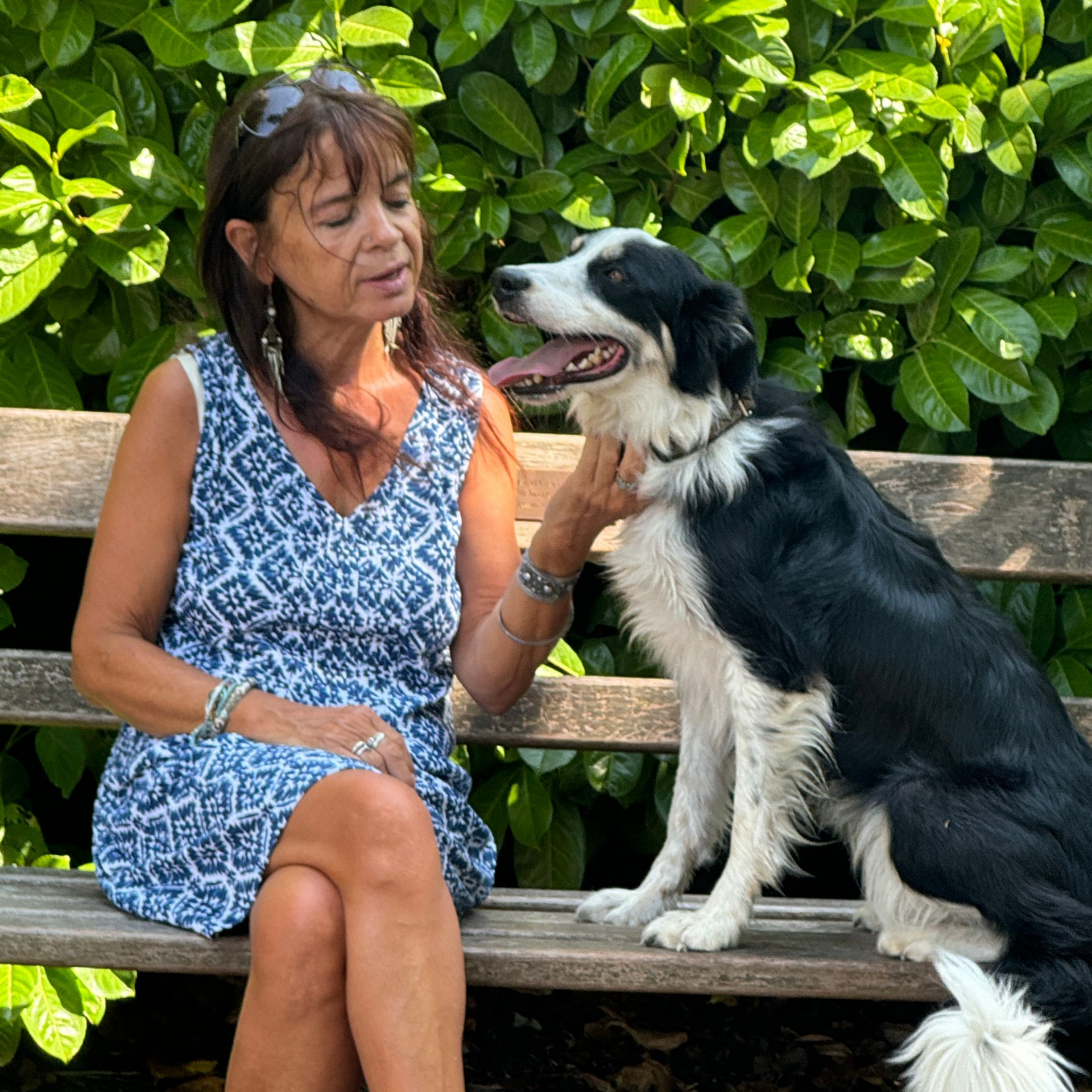
I have worked with many young people experiencing panic disorder throughout my career, including during my 7 years as a CAMHS therapist. Panic disorder can be frightening and isolating, but it responds very well to the right therapy, and most young people see significant improvement relatively quickly.
Hi, I'm Christina
I have worked with many young people experiencing panic disorder throughout my career, including during my 7 years as a CAMHS therapist. Panic disorder can be frightening and isolating, but it responds very well to the right therapy, and most young people see significant improvement relatively quickly.
How We Treat Anxiety
At Sulis Therapies, we treat panic disorder using two evidence-based therapies: Cognitive Behavioural Therapy (CBT) and Eye Movement Desensitisation and Reprocessing (EMDR). CBT is the NICE recommended treatment for panic disorder, though EMDR may be recommended depending on your child's individual needs.
Following a comprehensive assessment, and in conjunction with discussion with the young person and/or parent/carer(s), we will recommend the approach that is best suited to your child's individual needs, in some cases this may be a combination of both.
CBT for panic disorder works by addressing both the physical and psychological aspects of panic. Young people learn to understand the connection between their thoughts, physical sensations and behaviour, and develop practical techniques to manage the physical symptoms of panic when they arise. A central part of the process involves gradual, supported exposure to the situations and sensations that have been avoided, breaking the cycle of anticipatory anxiety and avoidance that maintains the disorder.
Where panic disorder has developed following a specific distressing experience or period of significant stress, EMDR can be an effective approach. By reprocessing the memories or experiences that may be driving the panic response, EMDR reduces the emotional intensity that triggers the cycle of panic, allowing young people to feel safer and more in control.
Quick Answers
How do I know if my child needs therapy for panic disorder?
If your child has experienced recurrent panic attacks, or if the fear of having a panic attack is affecting their ability to attend school, socialise or take part in everyday activities, therapy is likely to help. Panic disorder responds very well to treatment, and the sooner support is sought the less opportunity the avoidance cycle has to become entrenched.
What ages do you treat?
We work with children and young people up to the age of 26.
How many sessions will my child need?
This depends entirely on your child and the nature of their difficulties. The initial sessions focus on understanding what your child is experiencing and putting together a clear plan for therapy. At that stage we will be able to give you a much clearer idea of how many sessions we feel would be beneficial.
How often will my child need to attend sessions?
We recommend sessions at least once a week for the best results, though we can discuss a more intensive programme if that suits your child's needs. We offer flexible appointments including evenings and weekends to fit around your family's schedule.
How much do sessions cost?
CBT sessions last 60 minutes and cost £85. EMDR sessions last 90 minutes and cost £100. A free initial consultation is available so we can discuss your child's needs before committing to a programme of therapy.
If your child is struggling with panic disorder, we're here to help. Get in touch today to arrange a free initial consultation and find out how we can support your family.